

Ever started a recipe only to realize you’re out of buttermilk? It happens more often than you’d think. The good news is that learning how to make buttermilk at home is incredibly simple—and you probably already have everything you need in your kitchen.
In this guide, you’ll discover multiple easy methods, from classic dairy techniques to quick substitutes using everyday ingredients. Whether you’re baking fluffy pancakes or tender biscuits, this article will walk you through everything step by step.
What Is Buttermilk?
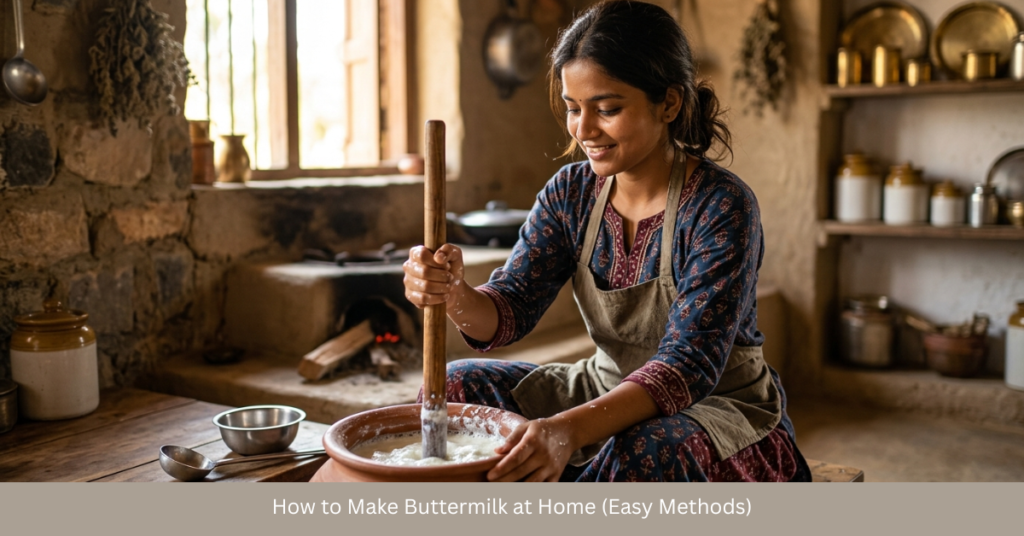
Traditionally, buttermilk was the liquid left behind after churning butter from cream. Today, most store-bought versions are cultured milk—slightly tangy, thicker than regular milk, and perfect for baking.
Its acidity plays a key role in recipes by:
- Activating baking soda
- Tenderizing gluten
- Adding a subtle tangy flavor
How to Make Buttermilk at Home (Quick Methods)
If you’re wondering how to make buttermilk at home, here are the easiest and most effective methods.
1. Milk + Vinegar Method
This is the fastest and most popular option.
Ingredients:
- 1 cup milk (whole or regular)
- 1 tablespoon white vinegar
Steps:
- Pour 1 tablespoon vinegar into a measuring cup.
- Add milk until it reaches 1 cup.
- Stir gently and let it sit for 5–10 minutes.
The milk will slightly curdle—this is exactly what you want.
This method answers how to make buttermilk with vinegar and works perfectly for baking.
2. Milk + Lemon Juice Method
If you don’t have vinegar, lemon juice works just as well.
Steps:
- Replace vinegar with 1 tablespoon fresh lemon juice.
- Follow the same process as above.
This is a great alternative for those asking how to make buttermilk with lemon juice.
3. Yogurt Method
For a thicker, creamier result:
Steps:
- Mix ¾ cup plain yogurt with ¼ cup water or milk.
- Stir until smooth.
This method is ideal if you’re searching for how to make buttermilk from yogurt.
4. Cream Method (Traditional Style)
Want something closer to authentic buttermilk?
Steps:
- Use heavy cream and churn it (or whip it) until butter separates.
- Strain the liquid—that’s real buttermilk.
This is the answer to how to make buttermilk from heavy cream, though it takes more effort.
How to Make Buttermilk from Milk Variations
Different types of milk work slightly differently, but all can be used:
- Whole milk: Best flavor and texture
- Low-fat milk: Works fine but less creamy
- Almond milk: Add acid (vinegar/lemon) and let sit longer
If you’re exploring how to make buttermilk with almond milk, expect a thinner consistency, but it still works in recipes.
Best Uses for Homemade Buttermilk
Once you’ve made it, here’s where buttermilk really shines:
Baking Favorites
- Fluffy pancakes
- Soft muffins
- Moist cakes
Savory Recipes
- Salad dressings (like ranch)
- Fried chicken marinades
- Creamy sauces
For example:
- How to make buttermilk pancakes: Use your homemade version for extra fluffiness.
- How to make buttermilk biscuits from scratch: The acidity creates tender, flaky layers.
How to Make a Buttermilk Substitute (Quick Guide)
If you’re in a rush, here are quick substitutes:
- Milk + vinegar (most reliable)
- Milk + lemon juice
- Yogurt + water
- Sour cream + milk
These options cover nearly every scenario when you need a substitute on the spot.
Tips for Perfect Buttermilk Every Time
- Let the mixture sit for at least 5 minutes before using
- Use fresh milk for best results
- Stir gently—don’t overmix
- For baking, room temperature works best
FAQs About Buttermilk
1. Can I use regular milk instead of buttermilk?
You can, but recipes may lack the same texture and tang. It’s better to acidify the milk first.
2. How long does homemade buttermilk last?
It stays fresh in the fridge for 2–3 days when stored in an airtight container.
3. Why does milk curdle when making buttermilk?
The acid (vinegar or lemon juice) reacts with milk proteins, creating the signature texture.
4. Can I freeze buttermilk?
Yes, but the texture may change slightly. It’s best used in baking after thawing.
5. Is buttermilk healthy?
It’s lower in fat than cream and contains beneficial bacteria (if cultured), making it a decent option in moderation.
Conclusion
Now that you know how to make buttermilk, you’ll never have to skip a recipe again. Whether you use milk and vinegar, lemon juice, or yogurt, each method is quick, reliable, and kitchen-friendly.
The next time you’re baking pancakes, biscuits, or even a pie, try making your own buttermilk—you’ll notice the difference in both flavor and texture. Keep experimenting with these simple techniques, and you’ll always be prepared in the kitchen.