
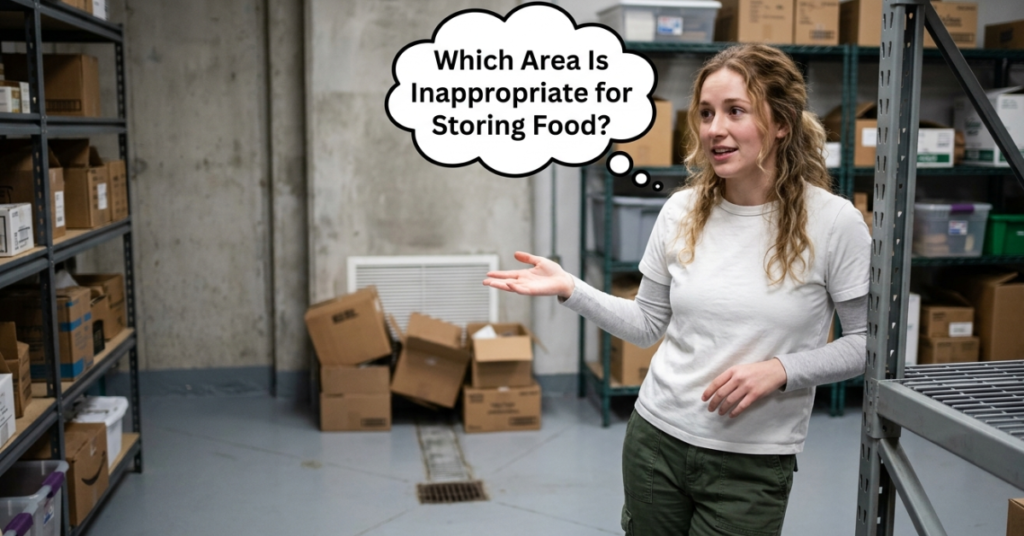

Ever opened your pantry and wondered if everything is stored safely? You’re not alone. Many people unknowingly keep food in places that can lead to contamination or spoilage. Understanding which area is inappropriate for storing food is essential for maintaining hygiene, preventing foodborne illnesses, and keeping your meals fresh.
In this guide, we’ll break down unsafe storage areas, explain why they’re risky, and help you make smarter choices in your kitchen and beyond.
Why Proper Food Storage Matters
Before diving into unsafe areas, it’s important to understand why food storage is such a big deal.
Improper storage can:
- Promote bacterial growth
- Cause food spoilage
- Attract pests like insects and rodents
- Lead to serious health risks
Safe storage isn’t just about organization—it’s about protecting your health.
Which Area Is Inappropriate for Storing Food?
Let’s answer the main question clearly: which area is inappropriate for storing food?
Any location that is unclean, warm, damp, or exposed to contaminants is unsuitable for storing food. Below are the most common problem areas.
Common Unsafe Areas for Food Storage
1. Near Cleaning Chemicals
Storing food next to cleaning supplies is a major mistake.
Why it’s unsafe:
- Risk of chemical contamination
- Strong odors can affect food quality
Examples:
- Under the sink with detergents
- Cabinets holding bleach or sprays
2. Bathrooms or Toilet Areas
It might sound obvious, but it happens more than you’d think—especially in small spaces.
Risks include:
- High bacterial contamination
- Moisture and humidity
Food should never be stored in or near bathrooms.
3. Warm or Humid Areas
Heat and moisture are perfect conditions for bacteria and mold.
Avoid storing food:
- Near stoves or ovens
- Next to heaters
- In poorly ventilated spaces
4. Direct Sunlight Exposure
Sunlight might seem harmless, but it can quickly spoil food.
Problems caused:
- Nutrient loss
- Faster spoilage
- Packaging damage
Always store food in cool, shaded areas.
5. On the Floor
Keeping food directly on the floor is unhygienic and risky.
Why it’s inappropriate:
- Exposure to dirt and bacteria
- Increased pest access
Use shelves or storage racks instead.
6. Damp Basements or Garages
These areas are often overlooked but can be problematic.
Common issues:
- Mold growth
- Pest infestations
- Temperature fluctuations
Signs You’re Storing Food in the Wrong Place
Not sure if your storage area is safe? Watch for these warning signs:
- Unusual smells around food
- Visible mold or moisture
- Presence of insects or rodents
- Food spoiling faster than expected
If you notice any of these, it’s time to rethink your storage setup.
Best Practices for Safe Food Storage
Now that you know which area is inappropriate for storing food, here’s how to do it right:
Follow These Simple Tips:
- Store food in clean, dry areas
- Keep items sealed in airtight containers
- Maintain proper temperature (refrigerate when needed)
- Separate food from chemicals
- Use shelves instead of the floor
Ideal Areas for Storing Food
To balance things out, here are safe storage options:
- Kitchen cabinets away from heat
- Refrigerators and freezers
- Cool, dry pantries
- Properly ventilated storage rooms
These spaces help maintain food quality and safety.
FAQs
1. Which area is inappropriate for storing food in a kitchen?
Areas near cleaning chemicals, heat sources, or damp corners are inappropriate for storing food.
2. Can I store food in the garage?
Only if it’s clean, dry, and temperature-controlled. Otherwise, it’s not recommended.
3. Why is humidity bad for food storage?
Humidity encourages mold and bacterial growth, which can spoil food quickly.
4. Is it safe to store food under the sink?
No, because of the risk of chemical contamination and moisture.
5. What is the safest place to store dry food?
A cool, dry pantry in airtight containers is ideal.
Conclusion
Understanding which area is inappropriate for storing food is key to maintaining a healthy and safe environment. Avoid places that are dirty, humid, warm, or exposed to chemicals, as these conditions can quickly compromise food quality.
By choosing the right storage areas and following simple safety practices, you can extend the life of your food and protect your health. Take a moment to review your current setup—you might be surprised how a small change can make a big difference.