
Ever watched someone glide smoothly down a snowy mountain and thought, I wish I could do that? Learning how to snowboard might look intimidating at first, but with the right approach, it’s surprisingly achievable—and incredibly fun.
This guide breaks everything down in a simple, human way—no complicated jargon, just practical advice. Whether you’re figuring out how to snowboard for the first time or just curious about the basics, you’ll find everything you need to get started confidently.
What You Need Before You Start
Before stepping onto the snow, having the right gear makes a huge difference.
Essential Snowboarding Gear
- Snowboard (appropriate size for your height and weight)
- Snowboard boots (snug but comfortable)
- Bindings (connect boots to the board)
- Helmet (non-negotiable for safety)
- Snow goggles
- Waterproof jacket and pants
- Gloves and thermal layers
Understanding Snowboard Bindings
If you’re wondering about how to snowboard bindings, here’s the basic idea:
- Bindings are angled slightly outward
- Your front foot leads (regular or goofy stance)
- They should be tight enough for control but not painful
Getting this right helps with balance and turning later on.
How to Snowboard for Beginners: Step-by-Step
1. Find Your Stance
First, determine whether you ride:
- Regular (left foot forward)
- Goofy (right foot forward)
A simple trick: whichever foot you naturally step forward with is likely your lead foot.
2. Practice Balance on Flat Snow
Before heading downhill:
- Strap one foot into the board
- Push yourself gently on flat terrain
- Get used to sliding and stopping
This is a key part of learning how to snowboard without overwhelming yourself.
3. Learn to Fall (Yes, Really)
Falling is part of the process. Learn to:
- Fall on your forearms, not wrists
- Avoid landing directly on your tailbone
- Relax your body instead of stiffening up
4. Master the Basic Glide
Once comfortable:
- Strap both feet in
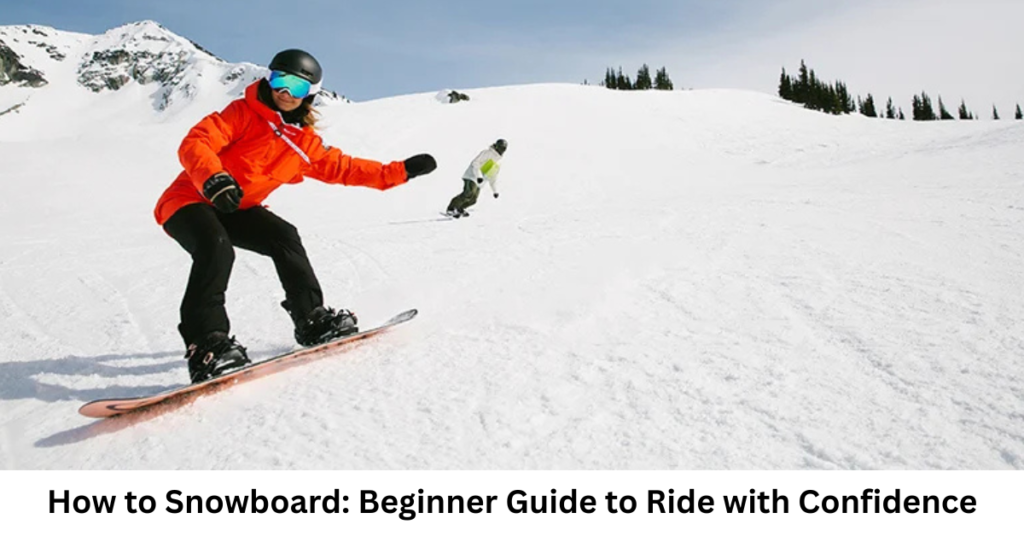
- Slide straight down a gentle slope
- Keep knees slightly bent
- Look forward, not down
This is your first real step into how to snowboard beginner techniques.
5. Learn Heel Edge and Toe Edge
Control comes from edges:
- Heel edge: lean back slightly
- Toe edge: lean forward gently
Practice stopping using both edges—it’s the foundation of turning.
6. Start Turning
Turning connects everything:
- Shift weight slightly to guide direction
- Move from heel edge to toe edge smoothly
- Keep your upper body aligned with your board
How to Snowboard for the First Time: Tips That Actually Help
Your first day can feel overwhelming, so keep these in mind:
- Start on beginner slopes only
- Take breaks—fatigue leads to more falls
- Focus on small wins, not perfection
- Consider a lesson if possible
These tips make how to snowboard for beginners much less frustrating.
How to Snowboard in Powder
Powder snow is soft, deep, and a completely different experience.
To ride powder effectively:
- Lean slightly back to keep the nose up
- Maintain steady speed (too slow = stuck)
- Use smoother, wider turns
Once you get it, how to snowboard in powder becomes one of the most enjoyable parts of the sport.
How Long Does It Take to Learn How to Snowboard?
This depends on consistency and practice, but here’s a realistic idea:
- 1 day: basic balance and sliding
- 2–3 days: controlled turns
- 1 week: confident beginner riding
So if you’re wondering how long does it take to learn how to snowboard, most people can ride comfortably within a few days of focused practice.
Beginner Snowboarding Diagram (Conceptual)
Think of your body positioning like this:
- Head → looking forward
- Shoulders → aligned with board
- Knees → slightly bent
- Weight → centered, slightly shifting for turns
This simple “diagram how to snowboard” concept helps you stay balanced and in control.
Common Mistakes to Avoid
- Leaning too far back
- Looking down instead of ahead
- Stiff body posture
- Skipping basic practice steps
Avoiding these speeds up your progress significantly.
FAQs
1. Is snowboarding hard to learn?
It can feel challenging at first, especially with balance, but most beginners improve quickly within a few days.
2. Should I take lessons or learn on my own?
Lessons help you learn faster and avoid bad habits, but self-learning is possible with patience.
3. What’s the difference between skiing and snowboarding?
Snowboarding uses a single board with both feet attached, while skiing uses two skis. Balance and movement feel different.
4. Do I need to be fit to snowboard?
Basic fitness helps, but you don’t need to be an athlete. Strength and stamina improve naturally as you practice.
5. Can I learn snowboarding as an adult?
Absolutely. Many people start in their 20s, 30s, or later and do just fine.
Conclusion
Learning how to snowboard is less about talent and more about patience, consistency, and enjoying the process. Start with the basics, focus on balance and control, and don’t rush the learning curve.
Whether you’re just starting out or refining your skills, every ride builds confidence. So gear up, take that first glide, and let yourself enjoy the journey—because snowboarding isn’t just a skill, it’s an experience.