

Learning how to swim can feel intimidating at first—but it’s one of the most rewarding life skills you’ll ever gain. Whether you’re stepping into a pool for the first time or trying to improve your technique, swimming offers both safety and fitness benefits.
In this guide, you’ll learn the basics, simple techniques, and practical tips to help you move confidently in water. We’ll also answer common questions—from learning speed to special situations—so you feel fully prepared.
Why Learning to Swim Matters
Swimming isn’t just a sport—it’s a survival skill. It builds endurance, improves heart health, and boosts confidence. More importantly, it gives you independence around water.
Even if you feel nervous, starting small and staying consistent can make a huge difference.
Getting Comfortable in the Water (First Step)
Before learning strokes, focus on comfort and breathing.
Start with these basics:
- Stand in shallow water and get used to the temperature
- Practice putting your face in the water
- Blow bubbles slowly to control breathing
- Hold onto the pool edge and kick gently
This stage is crucial. If you’re relaxed, learning becomes much easier.
Basic Swimming Techniques for Beginners
1. Floating
Floating teaches balance and trust in water.
- Lie on your back
- Keep your body straight
- Relax your neck and breathe normally
2. Kicking
Use your legs to stay afloat and move forward.
- Keep legs straight but relaxed
- Kick from the hips, not the knees
- Make small, quick movements
How to Swim Freestyle (Step-by-Step)
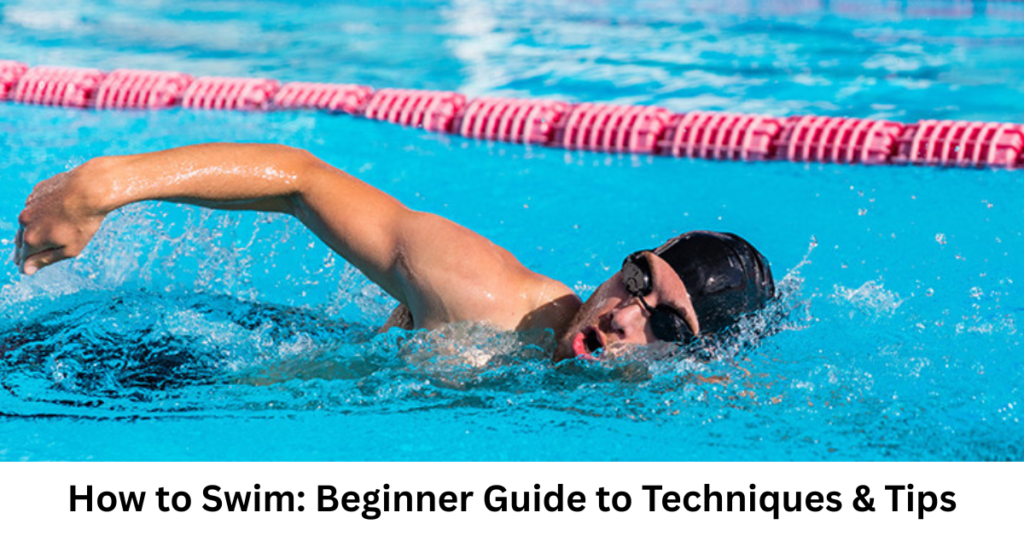
Freestyle is the most common and easiest stroke to start with.
Follow these steps:
- Body Position: Keep your body flat and horizontal
- Arm Movement: Alternate arms in a circular motion
- Breathing: Turn your head sideways to inhale
- Kicking: Maintain a steady flutter kick
Practice slowly at first. Speed will come later with consistency.
How to Swim Faster (Without Exhaustion)
Once you know the basics, improving speed is the next goal.
Tips to swim faster:
- Focus on smooth, not forceful movements
- Improve your breathing rhythm
- Strengthen your core for better balance
- Practice regularly instead of overtraining
Efficiency matters more than power in swimming.
How Long Does It Take to Learn How to Swim?
This depends on comfort level and practice.
- Beginners: 1–2 weeks to float and move
- Basic swimming: 3–6 weeks
- Confident swimmer: 2–3 months
Consistency is key. Even 20–30 minutes daily can speed up progress.
How to Swim on Your Period
Swimming during your period is completely safe.
What you should know:
- Use tampons or menstrual cups for better protection
- Water pressure can temporarily reduce flow
- Always change products before and after swimming
How to Swim on Your Period with a Pad
Pads are not ideal for swimming because they absorb water quickly and lose effectiveness.
Better alternatives:
- Tampons
- Menstrual cups
If you only have pads, it’s best to avoid swimming or switch to a suitable product.
Do All Dogs Know How to Swim?
Not all dogs are natural swimmers.
Key points:
- Some breeds (like Labradors) swim easily
- Others (like Bulldogs) may struggle due to body structure
- Always supervise dogs around water
Do Dogs Know How to Swim Instinctively?
Many dogs have a natural paddling instinct, but that doesn’t mean they are safe swimmers.
Training and supervision are still important to prevent accidents.
Do You Need to Know How to Swim to Snorkel?
Basic swimming skills are helpful but not always required.
- Snorkeling gear helps you float
- Life jackets can provide extra safety
- Calm water conditions make it easier
However, knowing how to swim improves confidence and safety significantly.
How to Swim in Animal Crossing
In Animal Crossing, swimming is simple and fun.
Steps:
- Get a wetsuit
- Press the action button near water
- Use controls to paddle and dive
It’s a relaxing feature, not a skill-based challenge like real swimming.
Common Beginner Mistakes to Avoid
- Holding your breath too long
- Tensing your body
- Kicking too hard
- Skipping basic practice (like floating)
Fixing these early will make learning smoother.
FAQs
1. Is swimming hard to learn?
Not really. With patience and regular practice, most people learn quickly.
2. Can adults learn to swim?
Absolutely. Age doesn’t matter—confidence and practice do.
3. How often should I practice?
3–5 times a week is ideal for steady progress.
4. What is the easiest swimming stroke?
Freestyle is generally the easiest for beginners.
5. Is swimming safe during menstruation?
Yes, as long as you use proper hygiene products like tampons or cups.
Conclusion
Learning how to swim is a journey that starts with small, simple steps—getting comfortable in water, practicing basic movements, and gradually building confidence. Whether your goal is fitness, safety, or just fun, consistency will take you far.
Start slow, stay patient, and keep practicing. Before you know it, you’ll be moving through water with ease—and maybe even enjoying it more than you expected.